By Ashley
July 30, 2026
Commercial property owners often manage more than buildings. They may be responsible for tenant transitions, office changes, warehouse adjustments, business relocations, or preparing spaces for new use. When furniture, equipment, files, inventory, or unwanted items need to be moved, the process can quickly become complicated. Professional moving services help commercial property owners keep relocations organized, protect assets, and reduce disruption during important property transitions.
Commercial Properties Have Moving Needs Beyond Basic Transport
A commercial move is rarely limited to loading items onto a truck. Offices, warehouses, industrial spaces, and mixed-use properties may involve furniture, technology, sensitive documents, inventory, shelving, break room equipment, and other business assets. Each category requires different handling, labeling, packing, and placement considerations.
According to Wifitalents, commercial moves account for roughly 20% of total moving industry revenue. This shows how significant business relocations are within the broader moving field. For property owners, that demand highlights the importance of choosing commercial moving services that understand scheduling, organization, and asset protection.
Unlike a simple household move, a commercial move often affects employees, tenants, clients, vendors, and building access. Elevators, loading areas, parking, hallways, and shared entrances may all need to be considered. A planned process helps keep the move structured and reduces confusion for everyone involved.
Reducing Disruption During Office Relocations
Office relocations require careful sequencing because business operations often need to resume quickly. Desks, chairs, conference room furniture, reception areas, files, printers, computers, monitors, and phone systems may all need to be packed, transported, and placed at the new location in a way that supports efficient setup. Without a clear plan, an office move can create delays that affect staff productivity and daily workflow.
Professional movers help by organizing the relocation around the layout of the current office and the setup of the new space. This may include furniture disassembly, careful loading, transportation, and reassembly. It may also include labeling boxes, grouping items by department, and placing furniture or equipment in designated areas so the business can restart with less confusion.
For commercial property owners, this kind of organization is especially valuable when a tenant is moving in or out. A smoother office transition can help the space become usable more quickly. Moving services also help reduce the burden on employees, who may not have the equipment, time, or experience to handle large furniture and business materials safely.
Protecting Equipment, Furniture, and Documents
Commercial spaces often contain items that need careful handling. Office electronics, sensitive documents, file cabinets, conference tables, cubicles, artwork, antiques, and specialty items can be difficult to move without proper materials and planning. Damage, disorganization, or misplaced files can create unnecessary problems during a relocation.
Packing and unpacking support can help protect items before they are moved. Proper boxes, protective wrapping, tape, markers, and specialized containers make it easier to keep items secure and organized. When a moving team uses appropriate packing methods, the process becomes more predictable from pickup through placement at the new location.
Document handling also matters in many office moves. File cabinets, records, and labeled boxes should be managed in a way that preserves the business's organization system. For electronics, careful packing and cable labeling can support a smoother transition when the business coordinates reconnection at the new site.
Supporting Warehouses and Industrial Spaces
Warehouses and industrial spaces bring different challenges than standard offices. Inventory volume, shelving systems, equipment, pallets, files, and loading areas can make the relocation more complex. A property owner may need support when a tenant expands, consolidates, changes facilities, or reorganizes warehouse operations.
Warehouse moving services can help maintain order during these larger transitions. Inventory management strategies, systematic loading procedures, clear labeling, and organized placement at the destination can help keep items from becoming scattered or difficult to locate. When shelving or racking systems are involved, disassembly and reassembly may also need to be planned carefully.
Industrial moves may require even more coordination because equipment, facility access, and operational timing can affect the schedule. Flexible planning, specialized equipment handling, and coordinated logistics help reduce disruption during these transitions. For commercial property owners, this support can make it easier to prepare a space for continued use, new occupancy, or a larger operational change.
Making Packing, Supplies, and Setup More Organized
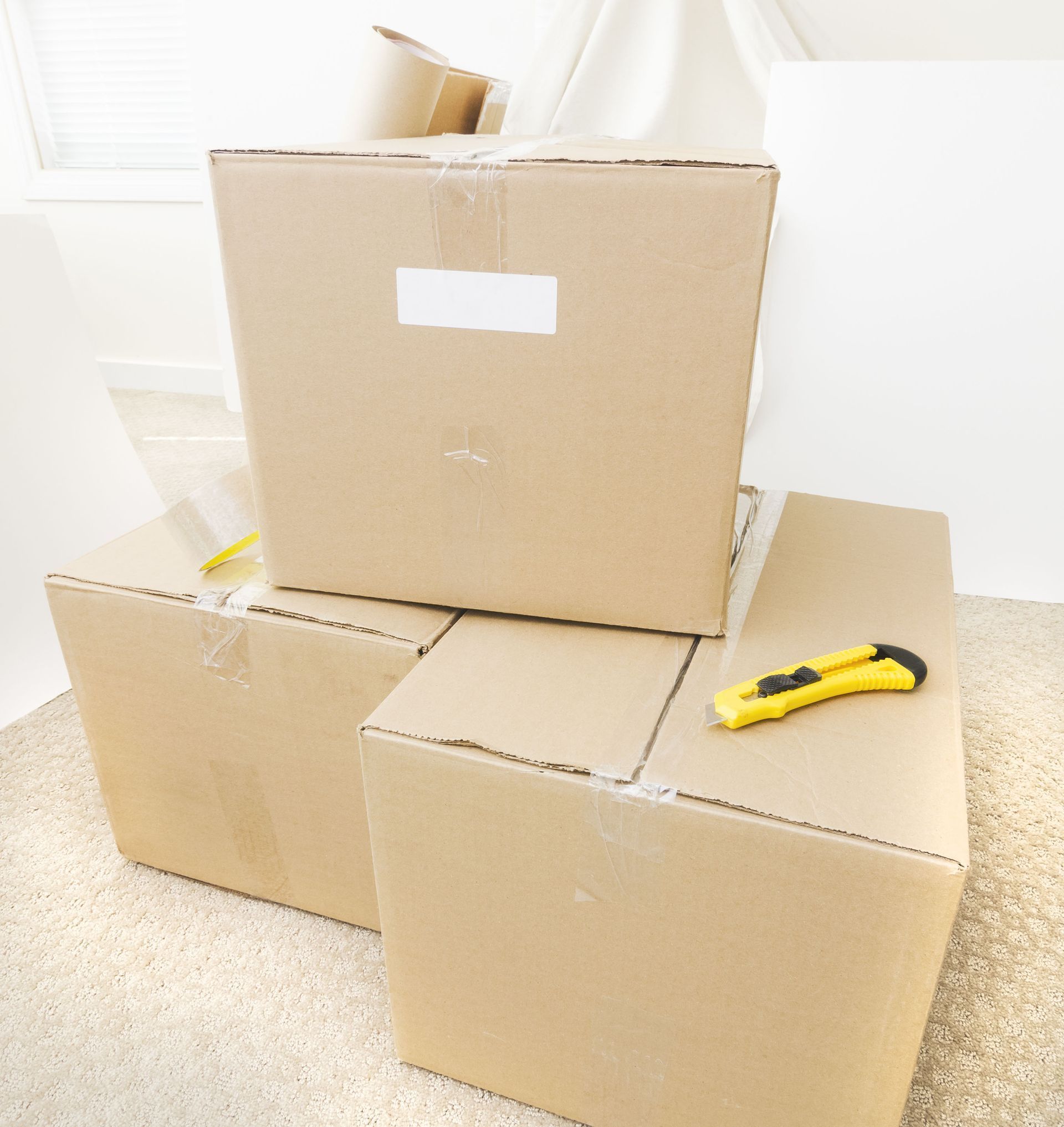
Packing is one of the most time-consuming parts of any commercial relocation. Businesses often have a mix of small items, large furniture, fragile materials, office supplies, documents, and technology. Using the right packing supplies helps reduce the risk of damage and keeps the move easier to track.
Boxes in multiple sizes, protective wrapping, tape, markers, and specialized containers can support better organization during the move. These materials help separate items by room, department, priority, or destination. When a relocation involves multiple offices or areas within a commercial property, clear packing and labeling make placement much more efficient.
Unpacking support can also help the new space become functional sooner. Furniture can be reassembled, boxes can be placed in the correct areas, and key items can be organized for easier access. This makes professional moving services useful not only for transport but also for the full transition from one commercial space to another.
Clearing Unwanted Items Before or After a Move
Commercial relocations often reveal items that no longer need to move with the business. Old furniture, outdated office equipment, appliances, excess materials, or construction debris may need to be removed before the space is ready for its next chapter. Leaving these items behind can delay turnover, cleanup, or the next stage of property use.
Junk removal can be especially useful before a move because it reduces the number of items that must be packed and transported. It can also be helpful after a move when leftover items remain in the old space. By separating what should be moved from what should be removed, property owners and businesses can keep the relocation more efficient.
This service can also support commercial property preparation. A cleaner space is easier to evaluate, repair, show, or transition to a new occupant. When junk removal is paired with moving support, the overall process becomes more complete because both the relocation and the leftover materials are addressed.
Coordinating Timelines, Access, and Placement
Commercial property owners often need moves to fit around building access, tenant schedules, loading areas, and business hours. Same-day or next-day availability may be helpful when a relocation or removal need comes up quickly. For larger moves, planning helps define the timeline, crew needs, packing support, and placement details.
Coordination also matters at the destination. Items should be placed where they are needed, not simply unloaded into the nearest open area. This is especially important for offices, warehouses, and industrial spaces where poor placement can slow setup. A structured move plan helps align transportation with the final layout of the new space.
Licensed and insured movers add another layer of protection for commercial property owners. Background-checked and experienced movers can provide more confidence when valuable business assets, documents, furniture, and equipment are being handled. For property owners managing multiple responsibilities, dependable moving services can make a complex transition more controlled.
Commercial property owners benefit from moving support that addresses planning, packing, transport, placement, specialty handling, warehouse needs, office relocations, and junk removal. Goodfellas Moving Company provides commercial, industrial, office, warehouse, residential, specialty, packing, unpacking, supply, and junk removal support. For commercial spaces, professional moving services can help protect assets, reduce disruption, and keep property transitions organized from start to finish.