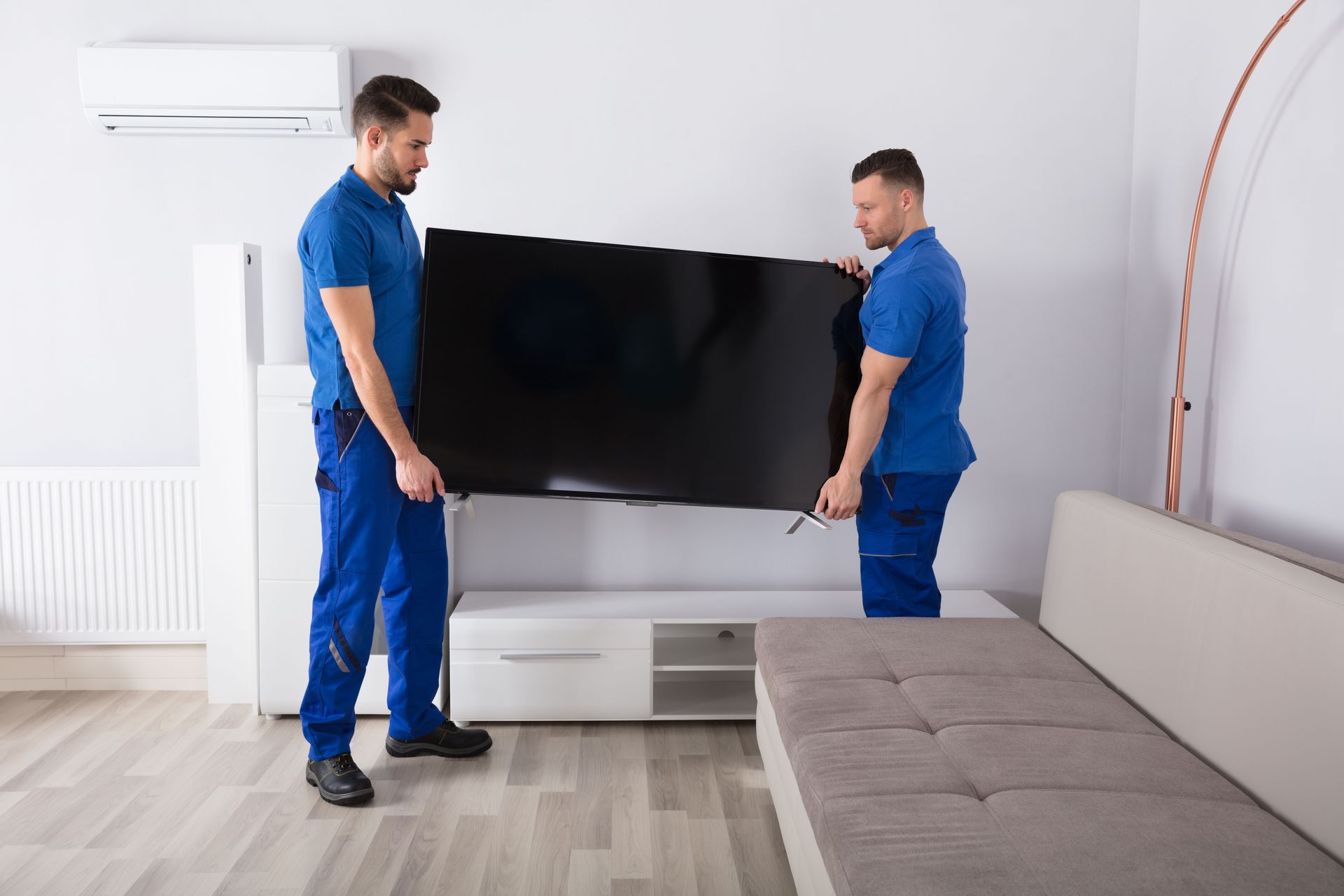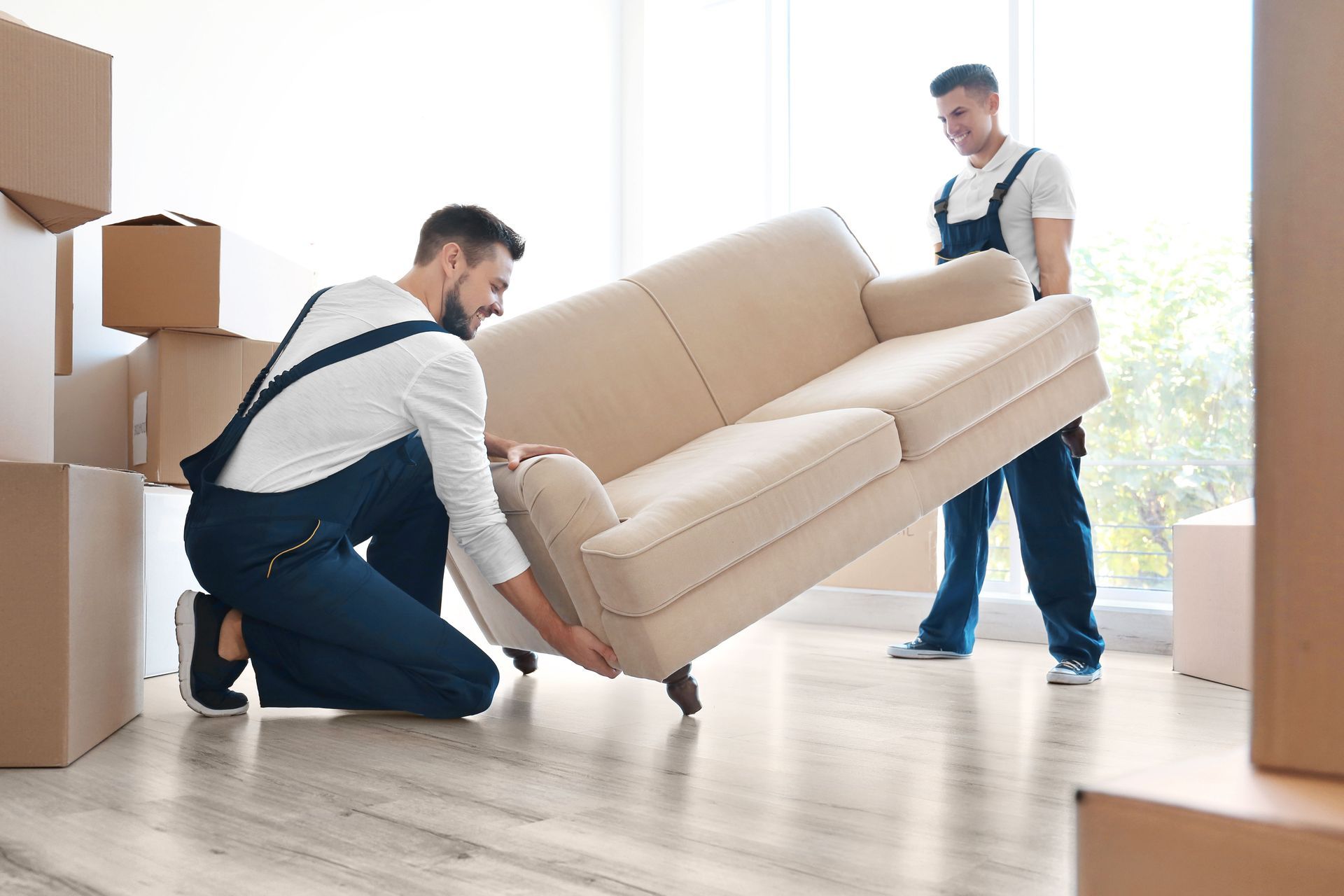
Moving to a new home is an exciting experience, but preparing furniture for transportation requires careful planning. Large sofas, heavy dressers, dining tables, and other household belongings can present challenges when navigating narrow hallways, doorways, and staircases. Hiring a professional furniture mover can simplify the process, but homeowners should take several steps before moving day to ensure everything goes smoothly. Proper preparation helps protect belongings, improve efficiency, and reduce unnecessary delays.
Create a Moving Plan Before Moving Day
Successful moves begin with an organized plan that accounts for furniture, household belongings, and moving schedules. Homeowners should begin preparing several weeks before their relocation date to avoid unnecessary last-minute decisions.
Start by creating a room-by-room inventory of major furniture pieces. Include beds, couches, dressers, tables, cabinets, and other large items that require transportation. This inventory helps homeowners identify which belongings will move to the new property and which should be sold, donated, or discarded.
According to My Good Movers, a full household including beds, dressers, multiple sofas, bookshelves, kitchen gear, and garage tools typically weighs between 7,000 and 10,000 pounds. This substantial weight highlights the importance of planning and professional handling when relocating an entire household.
Homeowners should also communicate their moving date, property details, and furniture requirements to their chosen moving company. Sharing accurate information allows the team to prepare suitable equipment and coordinate the relocation more effectively.
Declutter Your Home Before Packing
Reducing unnecessary belongings makes moving easier and creates more space in the new home. Before packing begins, homeowners should evaluate their furniture and determine which pieces are worth keeping.
Consider the following steps when decluttering:
- Evaluate furniture condition: Inspect sofas, chairs, tables, and cabinets for damage or excessive wear.
- Measure available space: Determine whether larger furniture pieces will fit comfortably in the new home.
- Donate usable items: Give unwanted furniture in good condition to local charities or community organizations.
- Dispose of damaged belongings: Arrange appropriate disposal for furniture that cannot be repaired or reused.
- Separate essential items: Keep frequently used furniture and household necessities accessible until moving day.
Decluttering also reduces the number of items requiring packing, loading, and transportation. For homeowners with unwanted bulky furniture, professional junk removal services may provide a convenient solution.
Completing this process early helps prevent unnecessary items from occupying valuable space in the moving truck.
Measure Furniture and Entryways Before Moving
One of the most common moving challenges involves transporting oversized furniture through narrow spaces. A large couch may fit comfortably inside a living room but become difficult to maneuver through a doorway or staircase.
Before moving day, measure the height, width, and depth of large furniture pieces. Compare these measurements with doorways, hallways, staircases, and elevators at both properties.
Pay particular attention to furniture with unusual shapes or extended components. Sectional sofas, oversized recliners, bed frames, and dining tables may require additional planning.
A professional furniture mover can help determine practical approaches for transporting bulky items. However, homeowners should communicate potential access restrictions before the scheduled move.
Apartment residents should also confirm whether their building has elevator reservations, moving-hour restrictions, or designated loading areas.
Prepare Furniture for Safe Transportation
Furniture preparation is essential for protecting household belongings during loading, transportation, and unloading. Although professional movers may provide protective materials and packing assistance, homeowners should understand which preparations are necessary.
Begin by removing loose objects from furniture surfaces. Decorative accessories, lamps, picture frames, and electronic devices should be packed separately to prevent damage.
Homeowners should also take the following precautions:
- Empty drawers containing heavy objects, fragile items, or important documents.
- Remove detachable shelves, glass panels, and other loose components.
- Secure cabinet doors and drawers using appropriate protective methods.
- Place screws, bolts, and small hardware in labeled bags.
- Photograph complicated furniture assemblies before disassembly.
Certain furniture pieces may need to be disassembled before transportation. Bed frames, large dining tables, and modular shelving units are common examples.
Professional packing services can help protect valuable furniture using appropriate materials and handling techniques. Homeowners should discuss disassembly and packing requirements with their moving company before the scheduled relocation.
Clear Walkways and Protect Household Surfaces
Clear pathways make it easier for movers to transport furniture through the property. Obstacles such as shoes, toys, loose rugs, and decorative objects can create tripping hazards or restrict movement.
Before the moving crew arrives, remove unnecessary belongings from hallways, staircases, entryways, and other frequently used areas.
Homeowners should also inspect outdoor pathways for potential obstacles. Garden equipment, bicycles, planters, and parked vehicles may interfere with moving equipment.
Consider these additional preparations:
- Secure pets in a separate room or arrange temporary care.
- Keep children away from active loading areas.
- Remove loose floor coverings that could cause someone to slip.
- Ensure adequate lighting throughout the property.
- Reserve convenient parking for the moving truck when permitted.
Flooring, walls, and door frames may also require protection during transportation. Homeowners should discuss protective equipment with their moving company to determine which measures will be provided.
An organized environment helps a furniture mover navigate the property more safely and efficiently.
Organize Boxes and Essential Belongings Before Moving
Furniture transportation becomes easier when smaller household belongings are packed and organized before moving day. Unsealed boxes, loose possessions, and scattered supplies can create delays when movers begin loading the truck.
Start by packing items that are not needed for daily routines. Seasonal decorations, books, rarely used kitchen equipment, and extra linens can usually be packed well in advance.
Use sturdy moving boxes and suitable packing materials to protect fragile belongings. Avoid overfilling containers, particularly those holding books or other heavy items.
Each box should include a label identifying its contents and destination room. Clear labeling helps movers place belongings in the appropriate areas during unloading.
Homeowners should also prepare a separate essentials bag containing medications, toiletries, chargers, important documents, and clothing.
Valuables and irreplaceable items should remain under the homeowner's direct supervision whenever possible.
Communicate Moving Requirements Before the Scheduled Date
Clear communication helps homeowners and moving professionals coordinate expectations before relocation begins. Every property presents different challenges, making accurate information especially important.
When scheduling services, homeowners should explain the number of rooms, estimated furniture volume, and any oversized or unusually heavy belongings.
A qualified furniture mover should also be informed about accessibility concerns, including steep staircases, narrow entrances, long carrying distances, and restricted parking.
Homeowners should confirm which services are included in their moving arrangements. Packing, unpacking, furniture disassembly, and other assistance may require advance coordination.
Before moving day, verify the arrival window, destination address, contact information, and payment arrangements.
If the move involves an apartment or condominium, confirm building requirements and obtain any necessary approvals.
Complete Final Preparations on Moving Day
The final stage of moving preparation involves checking that the home is ready for the crew's arrival. Homeowners should complete a walkthrough to identify overlooked belongings or potential obstacles.
Inspect closets, cabinets, storage areas, and other spaces where smaller items may remain. Confirm that boxes are sealed, furniture is accessible, and pathways are clear.
Empty refrigerators, freezers, and other appliances scheduled for transportation according to the moving company's instructions. Keep personal essentials and important documents separate from belongings being loaded.
When the moving team arrives, provide a brief walkthrough and identify furniture requiring special attention. Clear instructions about fragile items, access restrictions, and room assignments can help minimize misunderstandings.
Make Your Next Move Easier With Professional Assistance
Preparing a home for relocation involves more than packing boxes and arranging transportation. Creating an inventory, decluttering, measuring furniture, clearing pathways, and communicating expectations all contribute to a more organized moving experience. With proper planning, homeowners can reduce avoidable complications and focus on settling into their new surroundings.
Contact Goodfellas Moving Company today to request a free moving estimate and arrange professional furniture moving, packing, and relocation services for your next move.